2026-10-10 ·
Yakima Seasonal Roof Maintenance Checklist
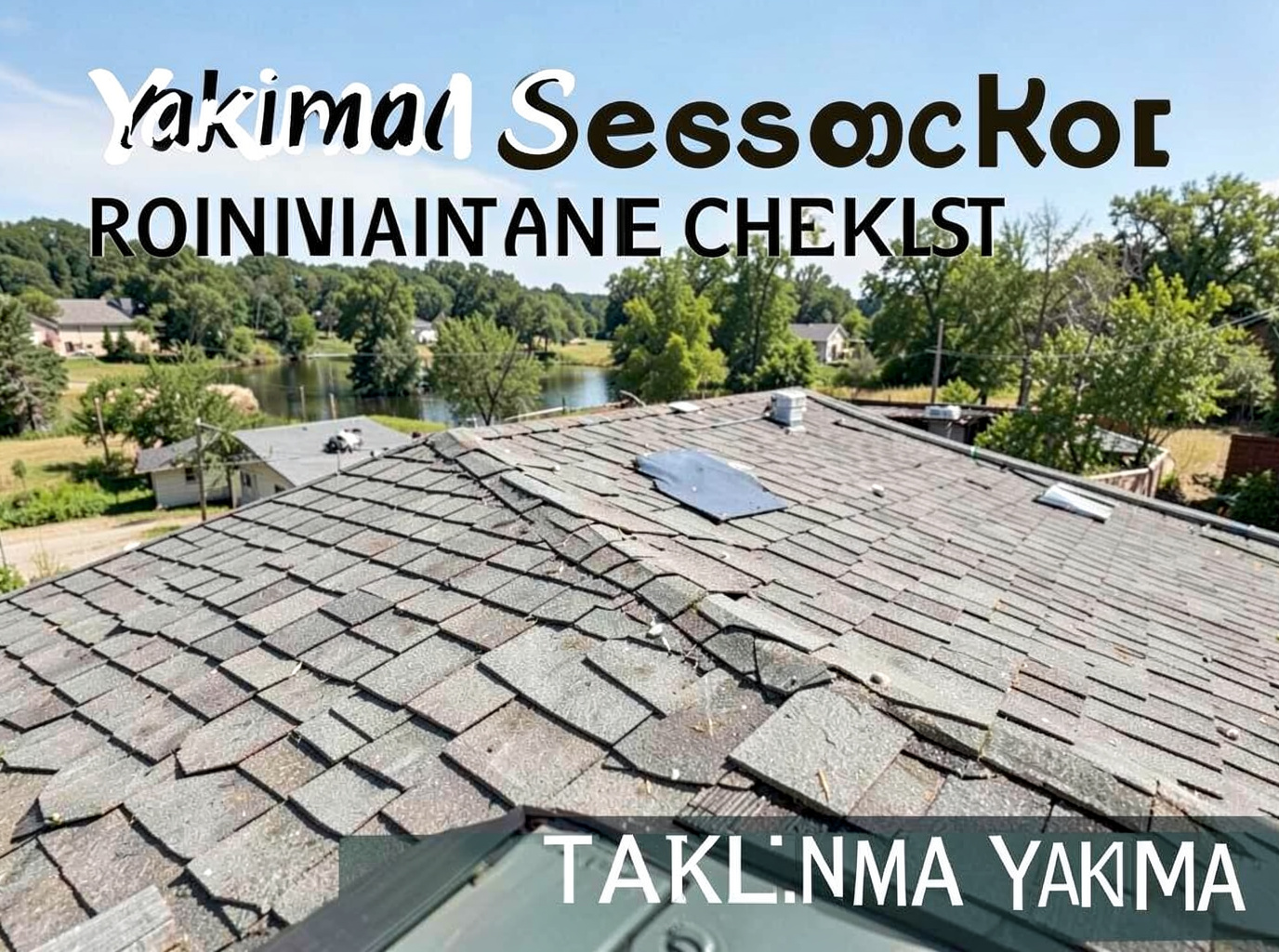
Yakima roofs need four targeted maintenance passes each year because hot dry summers accelerate shingle aging while cold winters bring ice dams and freeze-thaw cycles that open seams around vents and valleys. Homes in Downtown Yakima, West Valley, East Yakima, Selah, and Terrace Heights share similar stock of 1960s-1990s asphalt shingle and metal roofs that benefit from the same sequence of inspections and minor corrections.
Spring Roof Inspection and Cleaning
After winter snow loads and freeze-thaw cycles, walk the roof in March or early April when daytime temperatures reach the 50s. Check for lifted shingles along eaves, cracked pipe boots, and debris that collected in valleys during winter storms. In neighborhoods like Terrace Heights and Selah, cottonwood and poplar seeds often clog gutters by late April; clearing them prevents water from backing under the first course of shingles. Remove moss from north-facing slopes common on West Valley homes by applying a zinc strip treatment rather than pressure washing, which can strip granules. Inspect flashing where the roof meets chimneys and skylights, tightening any loose nails and resealing with compatible caulk rated for Yakima's temperature swings. Homeowners who perform this pass before May reduce the chance of leaks when the first summer thunderstorm arrives.
Summer Heat and UV Protection Steps
July and August temperatures in the Yakima Valley regularly exceed 90 degrees, drying out asphalt shingles and making them brittle. Walk the roof during the coolest part of the morning to look for cracked or cupped shingles, especially on south-facing slopes in East Yakima and Downtown Yakima. Trim tree branches that overhang the roof to reduce leaf litter and keep the surface cooler. Check attic ventilation to confirm soffit and ridge vents remain unobstructed; poor airflow accelerates heat damage under the decking. Metal roofs common in rural pockets near Union Gap and Sunnyside should be examined for loosened screws and sealant failure at seams. These simple steps keep the roof surface intact through the peak UV months without requiring full replacement.
Fall Gutter and Drainage Preparation
Before the first freeze, clear gutters and downspouts of fallen leaves from maples and oaks that line streets in Selah and Terrace Heights. Ensure downspouts extend at least five feet from the foundation to avoid soil saturation that can push moisture into crawlspaces. Examine the roof edge for any sagging sections that could trap water when ice forms. In areas near the Yakima River, wind-driven debris accumulates faster, so recheck fasteners on ridge caps and step flashing. Homeowners who complete this work in October avoid ice dam formation when temperatures drop below freezing in November. Ice Dam Removal & Prevention explains how proper drainage reduces the need for emergency removal later.
Winter Monitoring and Early Intervention
During cold snaps, watch for ice buildup along eaves on homes in West Valley and Summitview where shade from surrounding hills slows melting. Keep attic insulation and ventilation balanced so warm air does not escape and melt snow unevenly. If a leak appears, avoid climbing onto frozen surfaces; instead note the location and schedule professional assessment. Temporary Roof Leak Fixes: Tarping & What NOT to Do outlines safe interim measures while waiting for repair crews. Yakima Roof & Leak Pros operates from Yakima, WA with hours Monday through Friday 8am–6pm and Saturday 9am–2pm to handle these seasonal calls promptly.